Project Management Tools We'd Actually Use in 2026
Quick answer
For most people, Linear is the best project management tool, The issue tracker built for high-performance software teams. Feedzy and Raycast are also excellent picks, depending on what you need. Below we rank all 15 project management tools, explain how to choose, and answer the most common questions.
Key takeaways
- Linear is the best project management tool overall for most people, it's our number-one pick below.
- Feedzy is the strongest runner-up if Linear isn't quite right for you.
- The right choice depends on your workflow, not the longest feature list. Match the tool to how you actually work.
- You only need one or two great project management tools, not a dozen, a focused setup beats a bloated one.
The best project management tools fade into the background and just let you work. The trouble is finding them among the hundreds of look-alikes and over-hyped launches.
So we did the filtering for you. Out of the hundreds of tools in our directory, these 15 project management tools are the picks worth your attention in 2026, chosen for how useful they actually are, not how loud their marketing is.
We've kept the write-ups short and practical. Below the list you'll also find a quick buyer's guide and answers to the questions people ask most about project management tools.
What is a project management tool?
A project management tool is software, or a website, that designers, developers and creators use to do a specific job faster, more consistently, and with far less manual effort.
Instead of doing the work by hand every time, you reach for a tool built precisely for that task, and it handles the repetitive parts for you. The difference shows up most when a job is something you do over and over, that's where the right project management tool quietly pays for itself.
The best project management tools do more than save a few clicks. They take something that used to be slow or fiddly and make it quick, repeatable, and genuinely pleasant, which adds up to real hours saved every week. You don't need a dozen of them either: one or two great project management tools usually replace a pile of half-used ones and become a permanent part of how you work. The picks below are the ones worth building your workflow around.
At a glance
The 15 best picks
1
 Linear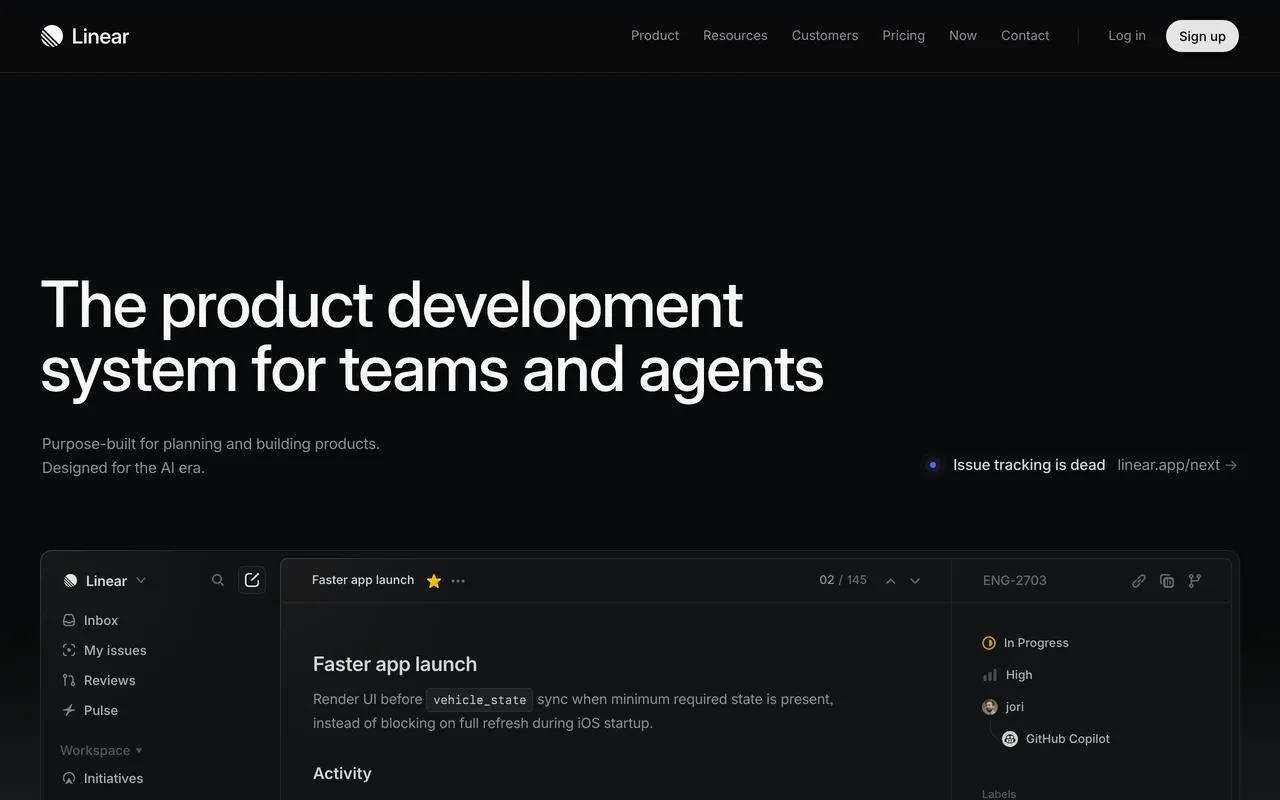
Topping our list is Linear. The issue tracker built for high-performance software teams. It keeps the interface clean and the core workflow front and center, so you're productive almost right away.
Its biggest strength is focus, it solves its core problem better than most of the alternatives. It won't be the perfect fit for everyone, but if its approach clicks with you, it's hard to give up.
Best for: creators who care more about results than feature checklists.
Visit Linear2
 Feedzy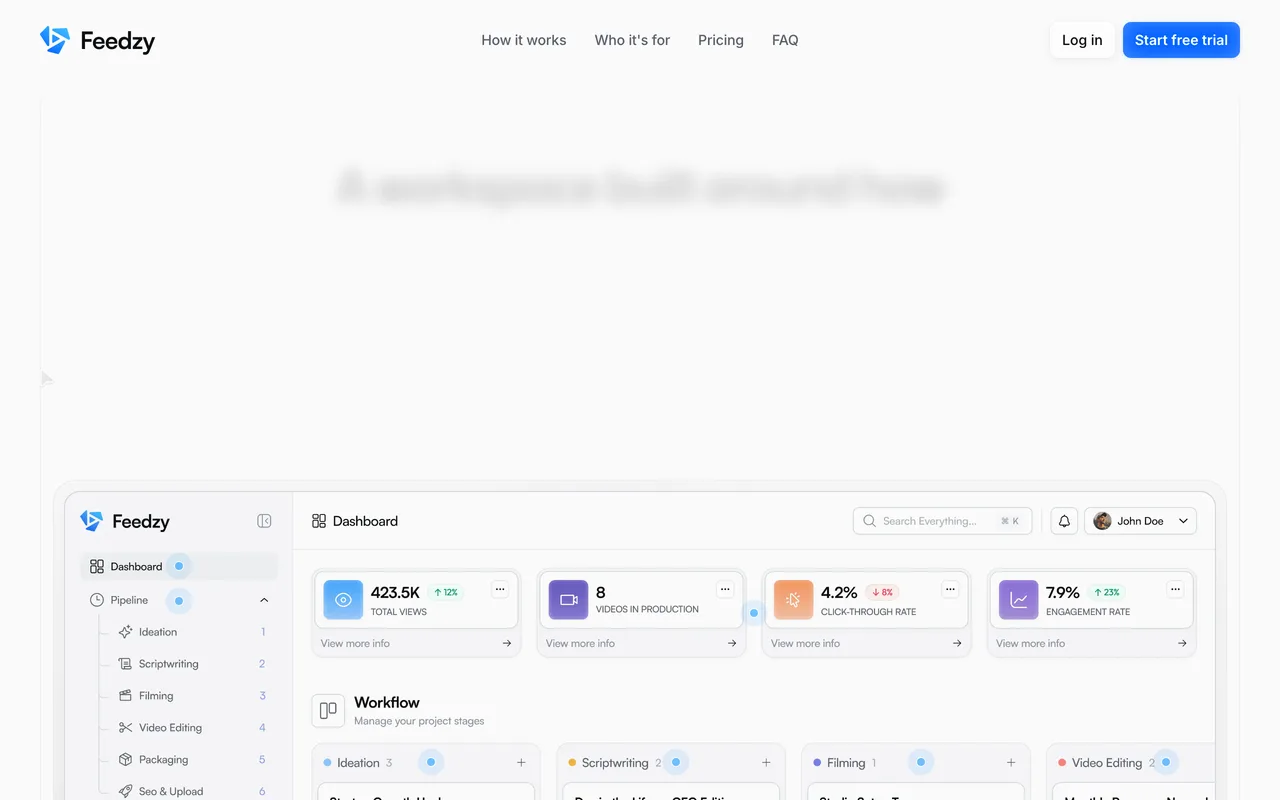
Feedzy has quietly become a favorite among project management tools users. Shared workspace for YouTube teams to move a video from draft to publish. In practice, that means less time wrestling with setup and more time doing the work that matters.
It plays nicely with the rest of a modern project management tools stack, so you won't have to tear out what already works. Like any tool, it rewards a little time spent learning it, after which it mostly gets out of your way.
Best for: solo creators and small teams who value speed over endless configuration.
Visit Feedzy3
 Raycast
Raycast has quietly become a favorite among project management tools users. A blazingly fast, extensible launcher for developers. Everything sits roughly where you'd expect, which makes the first session feel familiar instead of frustrating.
It plays nicely with the rest of a modern project management tools stack, so you won't have to tear out what already works. No tool is flawless, but the trade-offs here feel reasonable for what you get.
Best for: solo creators and small teams who value speed over endless configuration.
Visit Raycast4
 Airtable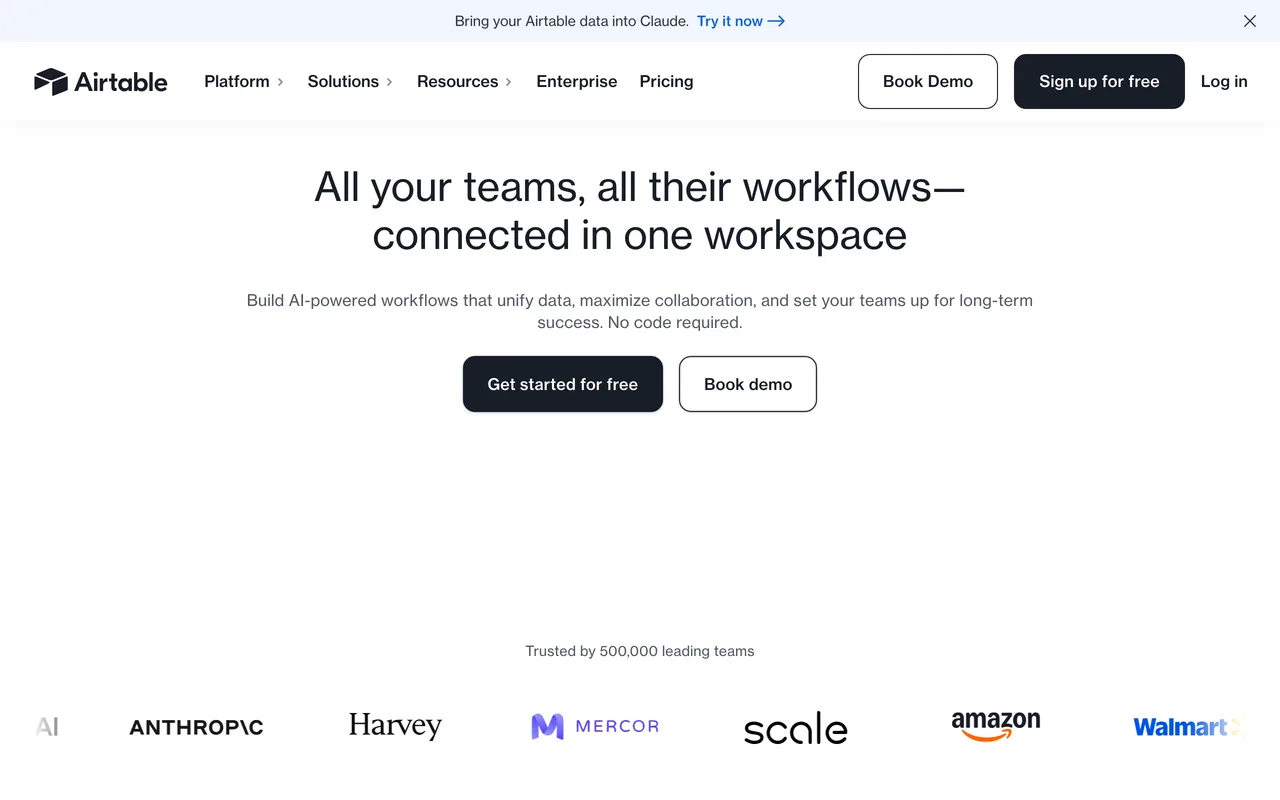
That brings us to Airtable. Part spreadsheet, part database, build apps on your data. It covers the fundamentals properly before reaching for anything flashy, and that focus pays off daily.
What pushes it up our list is how thoughtfully it's built, the small details add up fast. Give it a real project rather than a five-minute test, that's when its strengths actually show.
Best for: anyone who'd rather get started than wade through documentation.
Visit Airtable5
 Asana
Asana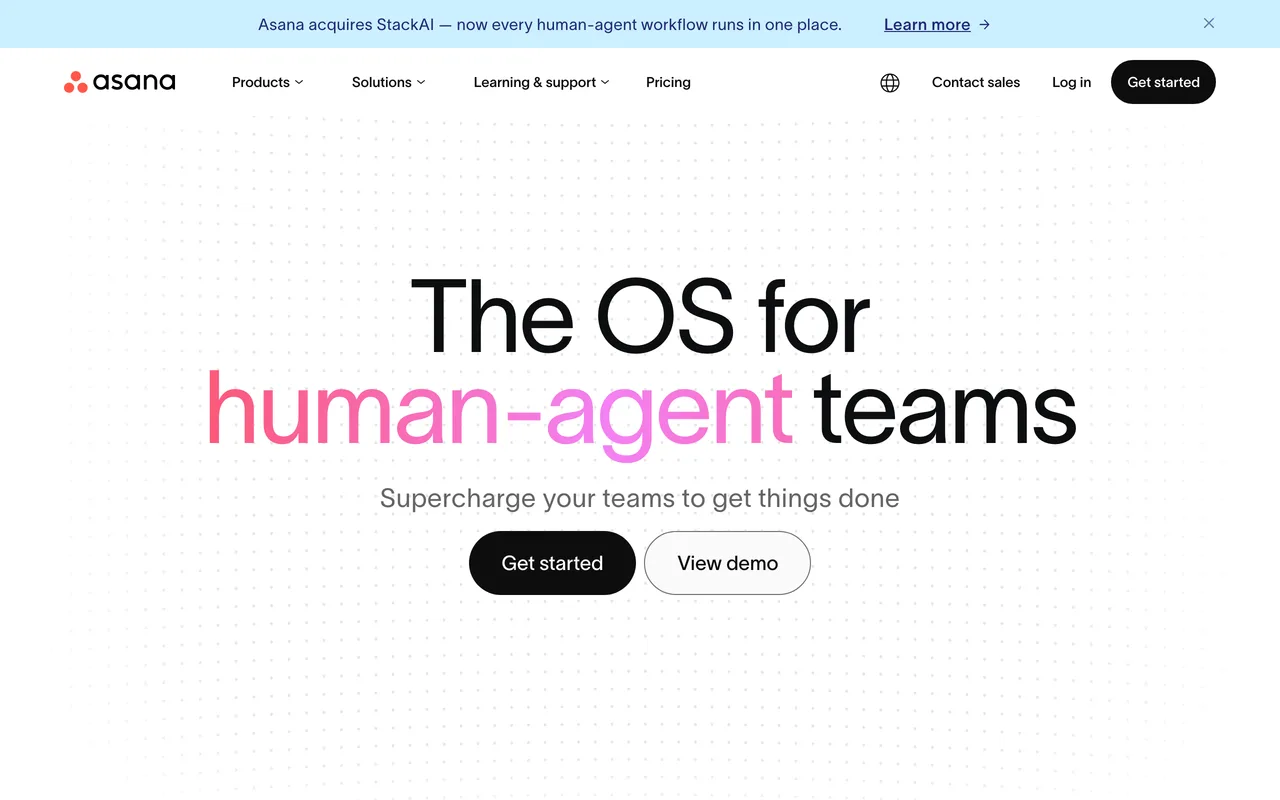
Don't overlook Asana. The work management platform to organize and track projects. It keeps the interface clean and the core workflow front and center, so you're productive almost right away.
Its biggest strength is focus, it solves its core problem better than most of the alternatives. It won't be the perfect fit for everyone, but if its approach clicks with you, it's hard to give up.
Best for: creators who care more about results than feature checklists.
Visit Asana6
 Trello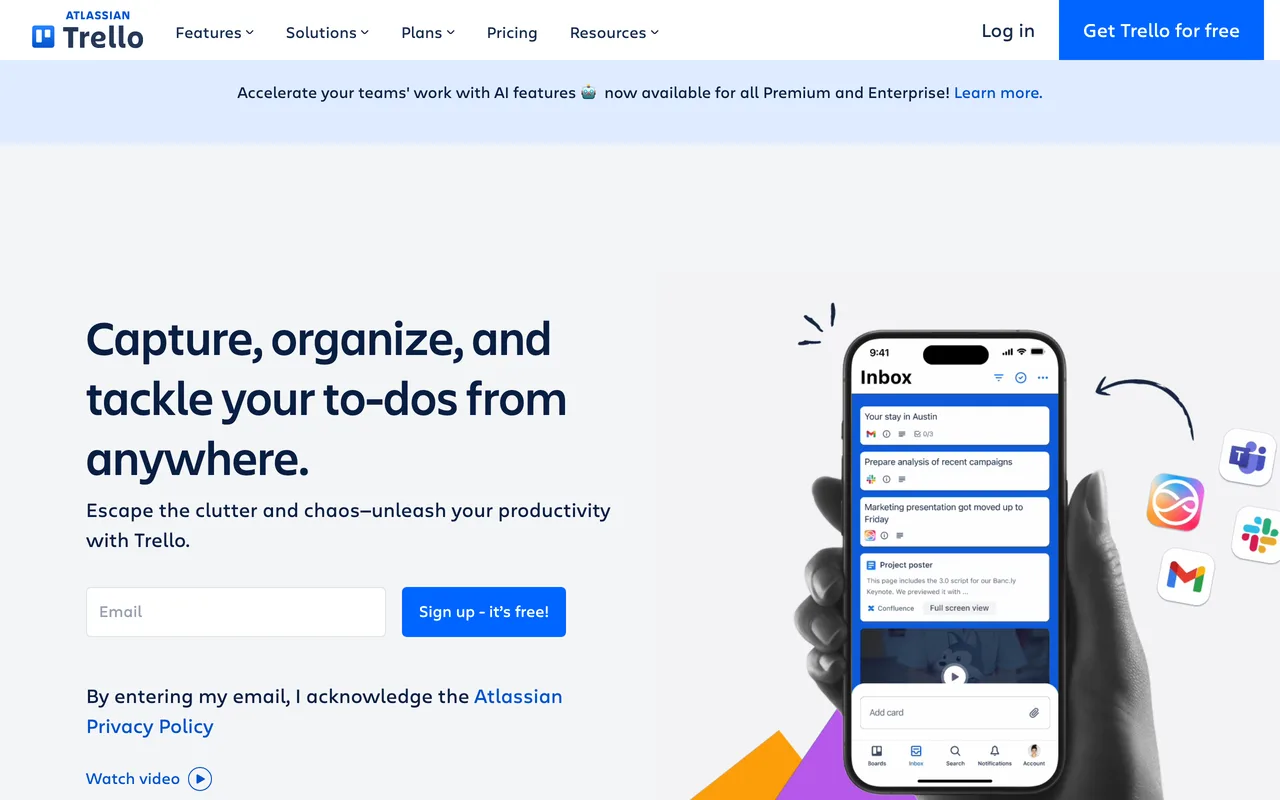
Don't overlook Trello. Visual, Kanban-style boards to manage any project. Everything sits roughly where you'd expect, which makes the first session feel familiar instead of frustrating.
The team behind it ships steadily, so it keeps getting better rather than standing still. Give it a real project rather than a five-minute test, that's when its strengths actually show.
Best for: both beginners finding their feet and pros tightening an existing workflow.
Visit Trello7
 ClickUp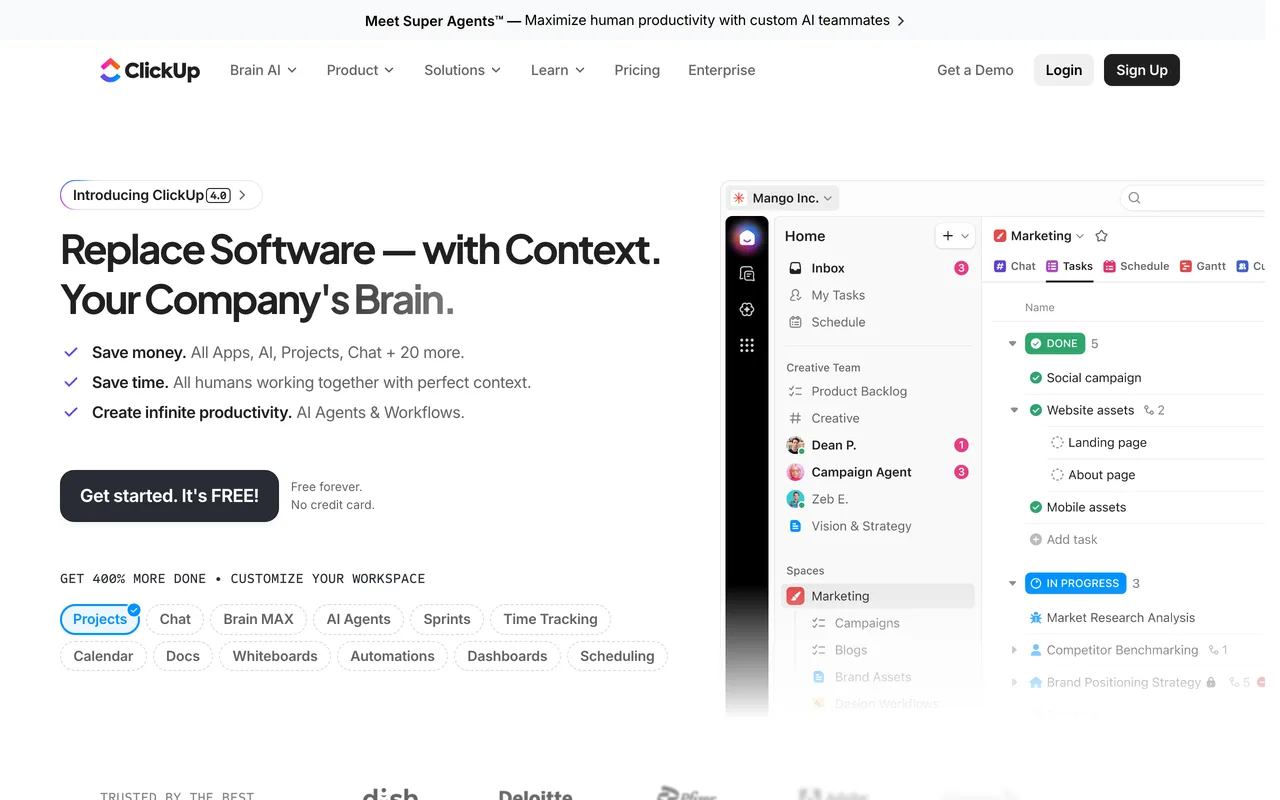
ClickUp is another one worth your time. One app to replace them all, tasks, docs, goals and chat. It keeps the interface clean and the core workflow front and center, so you're productive almost right away.
What pushes it up our list is how thoughtfully it's built, the small details add up fast. Give it a real project rather than a five-minute test, that's when its strengths actually show.
Best for: creators who care more about results than feature checklists.
Visit ClickUp8
 Height
Height has quietly become a favorite among project management tools users. The autonomous project management tool powered by AI. Everything sits roughly where you'd expect, which makes the first session feel familiar instead of frustrating.
The team behind it ships steadily, so it keeps getting better rather than standing still. It won't be the perfect fit for everyone, but if its approach clicks with you, it's hard to give up.
Best for: creators who care more about results than feature checklists.
Visit Height9
 Monday.com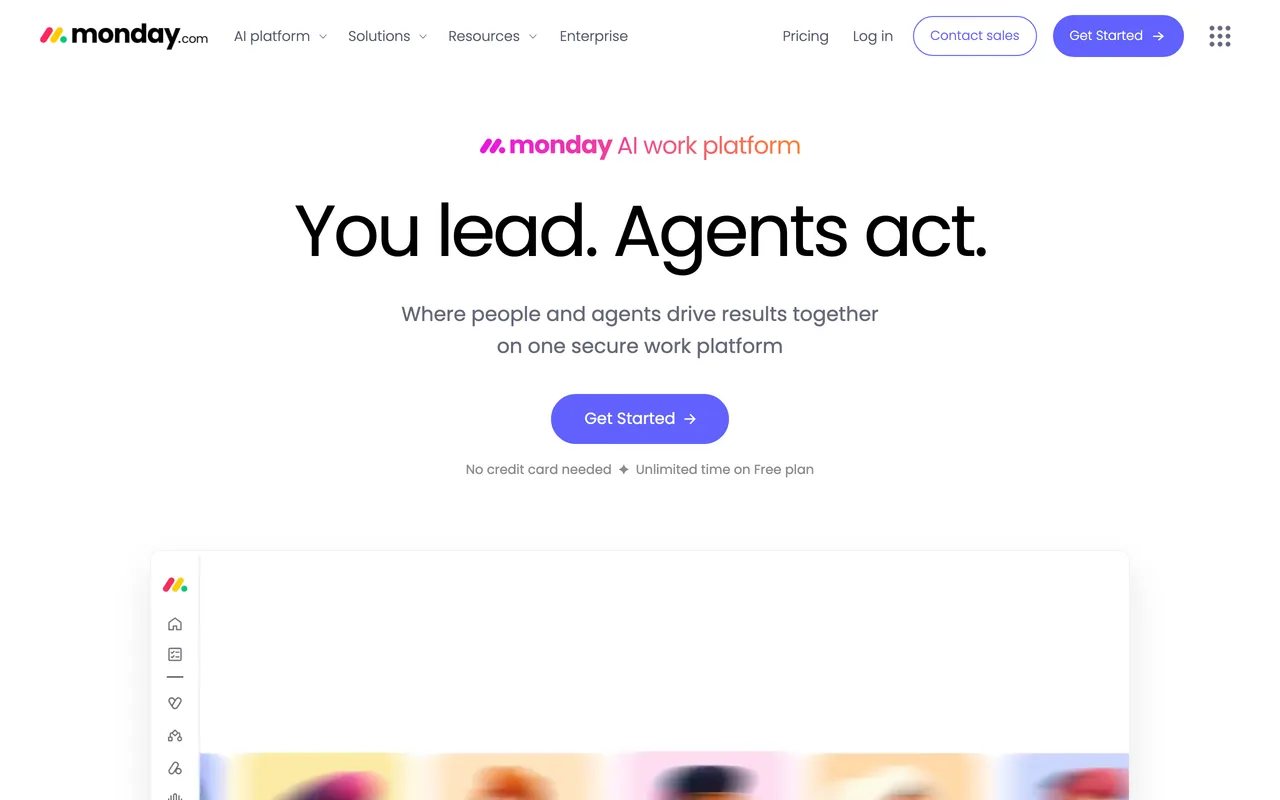
Monday.com has quietly become a favorite among project management tools users. A flexible Work OS to run projects and workflows. In practice, that means less time wrestling with setup and more time doing the work that matters.
Where it really shines is reliability: it does what it promises, release after release. Like any tool, it rewards a little time spent learning it, after which it mostly gets out of your way.
Best for: people building a lean, modern project management tools setup from scratch.
Visit Monday.com10
 Basecamp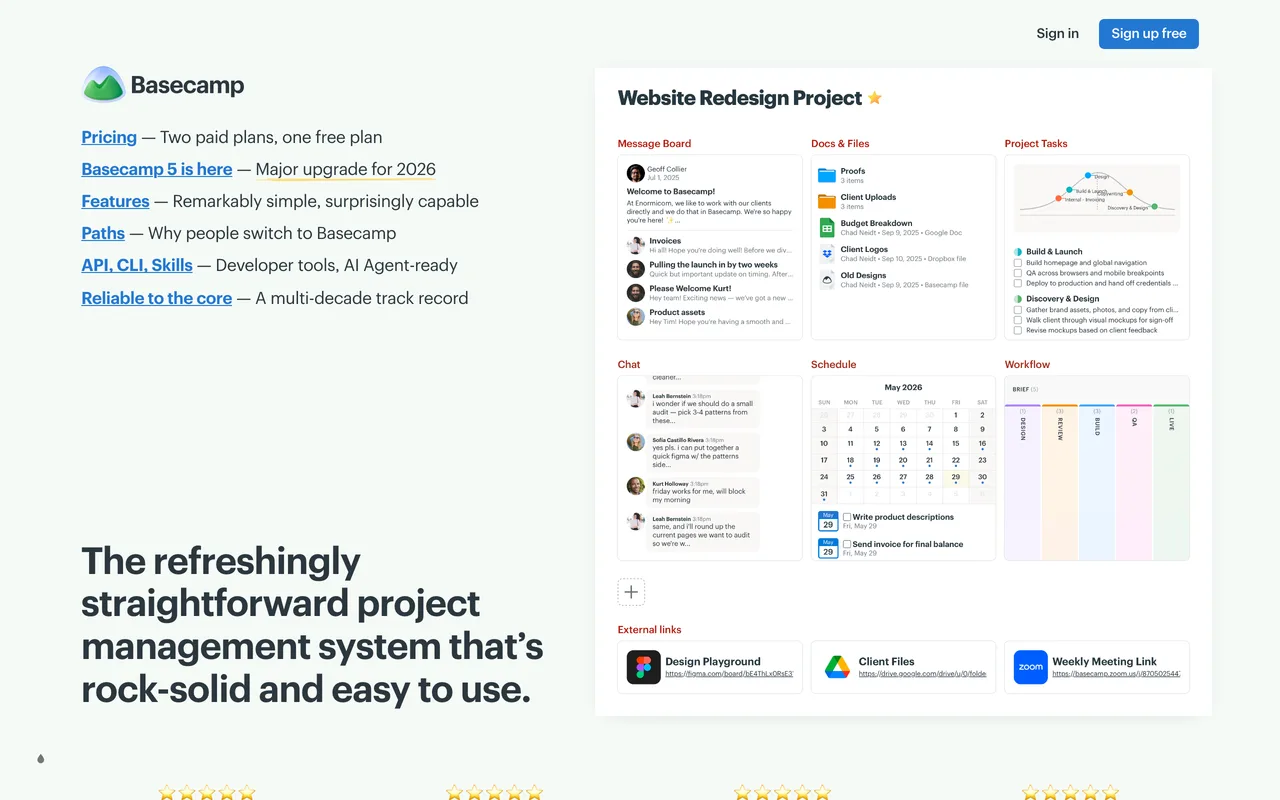
Don't overlook Basecamp. The calm, organized way to manage projects and teams. In practice, that means less time wrestling with setup and more time doing the work that matters.
Its biggest strength is focus, it solves its core problem better than most of the alternatives. Give it a real project rather than a five-minute test, that's when its strengths actually show.
Best for: both beginners finding their feet and pros tightening an existing workflow.
Visit Basecamp11
 Todoist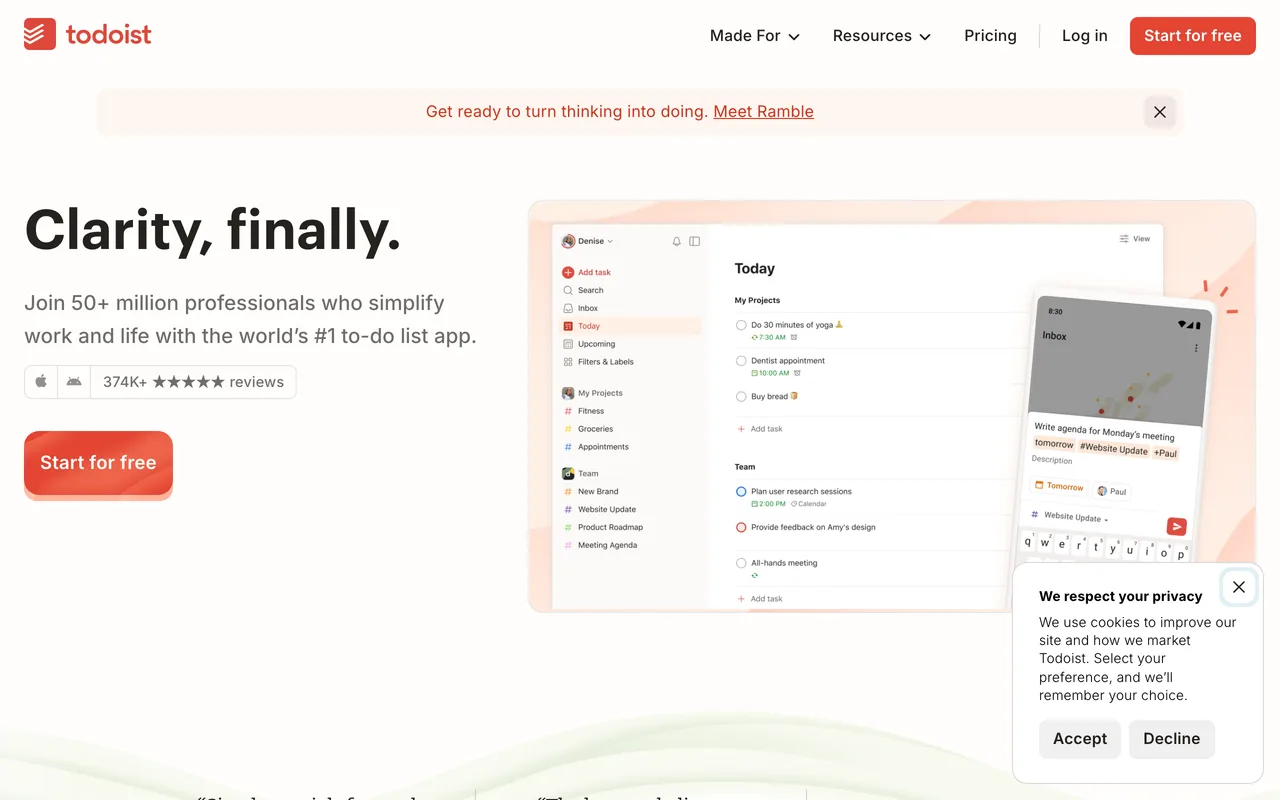
Todoist has quietly become a favorite among project management tools users. The to-do list and task manager to organize your work and life. Everything sits roughly where you'd expect, which makes the first session feel familiar instead of frustrating.
Its biggest strength is focus, it solves its core problem better than most of the alternatives. It won't be the perfect fit for everyone, but if its approach clicks with you, it's hard to give up.
Best for: creators who care more about results than feature checklists.
Visit Todoist12
 Akiflow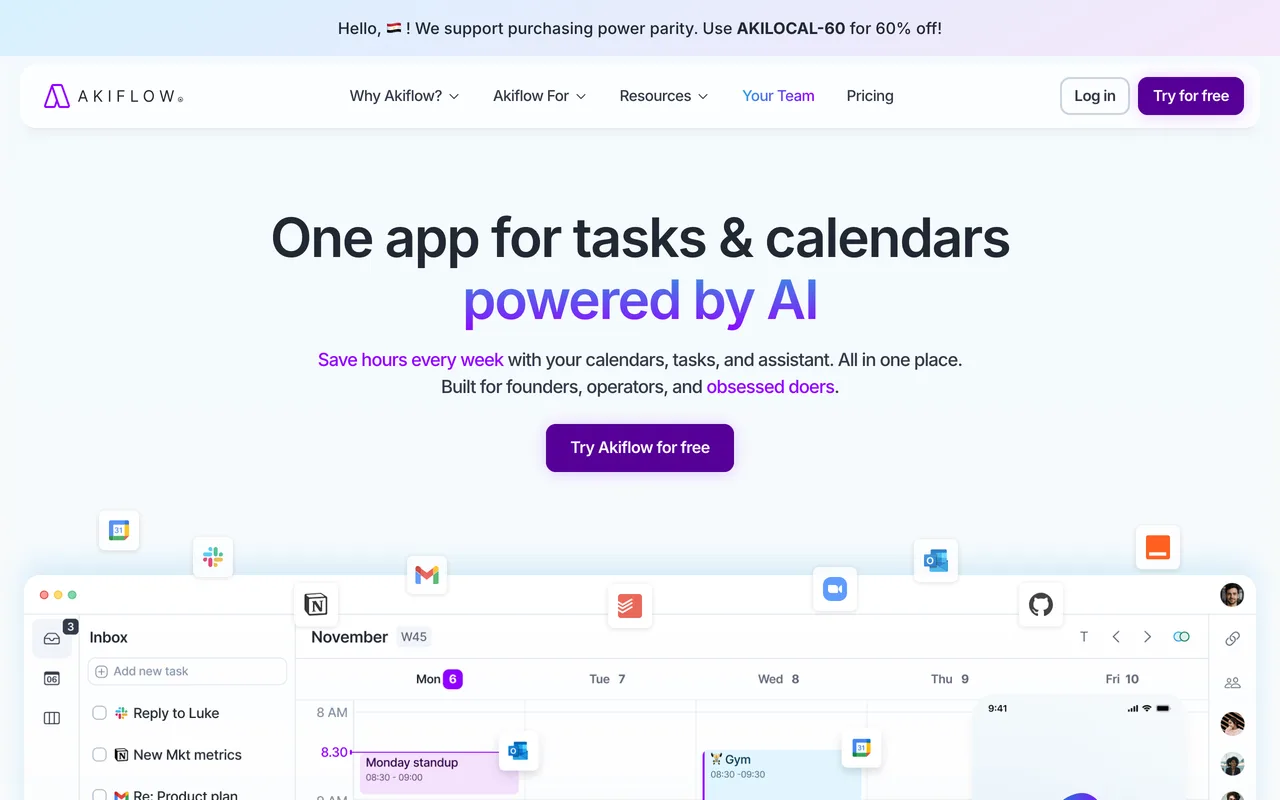
That brings us to Akiflow. Consolidate tasks and calendar into one daily command center. It covers the fundamentals properly before reaching for anything flashy, and that focus pays off daily.
What pushes it up our list is how thoughtfully it's built, the small details add up fast. Give it a real project rather than a five-minute test, that's when its strengths actually show.
Best for: creators who care more about results than feature checklists.
Visit Akiflow13
 Tango
Tango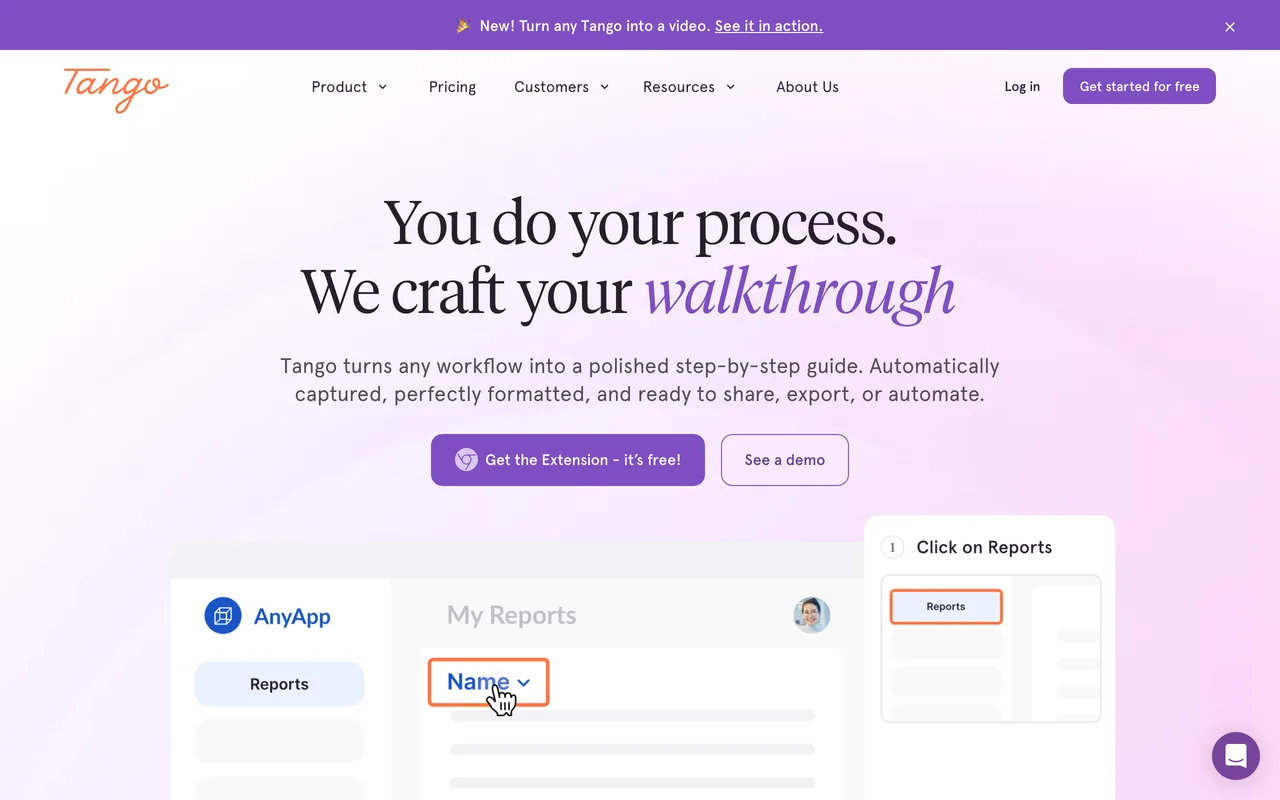
Next up is Tango. Create how-to guides and SOPs automatically as you work. It covers the fundamentals properly before reaching for anything flashy, and that focus pays off daily.
What pushes it up our list is how thoughtfully it's built, the small details add up fast. It won't be the perfect fit for everyone, but if its approach clicks with you, it's hard to give up.
Best for: anyone who'd rather get started than wade through documentation.
Visit Tango14
 Scribe
Don't overlook Scribe. Auto-generate step-by-step guides from any process. The result is a tool you can open without thinking. That's about the highest compliment you can pay software like this.
The team behind it ships steadily, so it keeps getting better rather than standing still. It won't be the perfect fit for everyone, but if its approach clicks with you, it's hard to give up.
Best for: both beginners finding their feet and pros tightening an existing workflow.
Visit Scribe15
 Confluence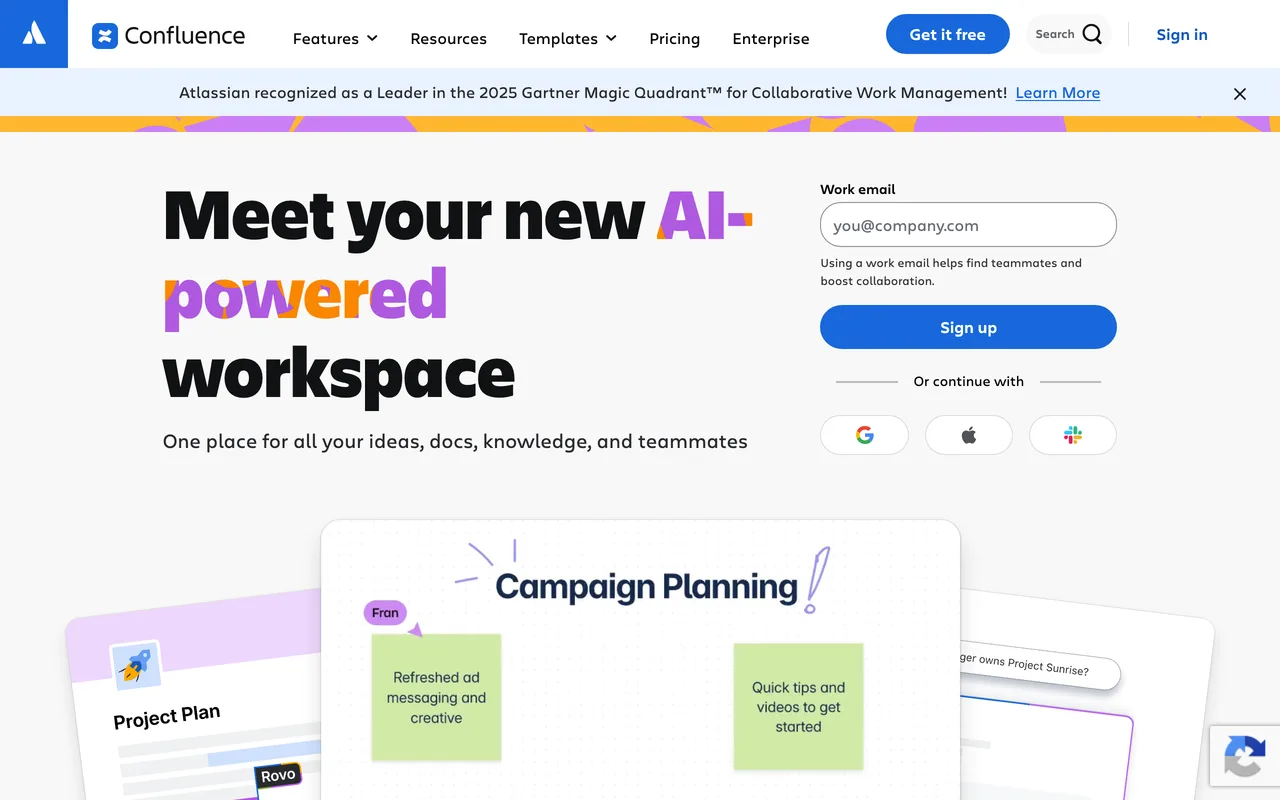
Confluence is another one worth your time. Atlassian's connected workspace for team docs and wikis. It keeps the interface clean and the core workflow front and center, so you're productive almost right away.
Its biggest strength is focus, it solves its core problem better than most of the alternatives. Give it a real project rather than a five-minute test, that's when its strengths actually show.
Best for: anyone who'd rather get started than wade through documentation.
Visit Confluence
How they compare
| # | Tool | Best for |
|---|---|---|
| 1 | Linear | creators who care more about results than feature checklists |
| 2 | Feedzy | solo creators and small teams who value speed over endless configuration |
| 3 | Raycast | solo creators and small teams who value speed over endless configuration |
| 4 | Airtable | anyone who'd rather get started than wade through documentation |
| 5 | Asana | creators who care more about results than feature checklists |
| 6 | Trello | both beginners finding their feet and pros tightening an existing workflow |
| 7 | ClickUp | creators who care more about results than feature checklists |
| 8 | Height | creators who care more about results than feature checklists |
| 9 | Monday.com | people building a lean, modern project management tools setup from scratch |
| 10 | Basecamp | both beginners finding their feet and pros tightening an existing workflow |
| 11 | Todoist | creators who care more about results than feature checklists |
| 12 | Akiflow | creators who care more about results than feature checklists |
| 13 | Tango | anyone who'd rather get started than wade through documentation |
| 14 | Scribe | both beginners finding their feet and pros tightening an existing workflow |
| 15 | Confluence | anyone who'd rather get started than wade through documentation |
How to choose
It fits how you already work
The best project management tools slot into your existing routine instead of forcing a new one. Look for sensible defaults, integrations with the apps you already use, and a workflow that feels obvious within the first few minutes.
Honest, predictable pricing
Free trials are nice, but check what happens after. A clear free tier or a fair flat price beats a cheap plan that locks the features you actually need behind a much higher one. Always click through to confirm current pricing, plans change often.
It's actively maintained
A tool is only as good as the team behind it. Recent updates, a responsive changelog, and an active community are strong signals that a tool will still be around, and still improving, a year from now.
It does one thing really well
Be wary of tools that try to do everything. The picks that last tend to be focused: they solve a specific problem better than anything else, and they play nicely with the rest of your stack.
How we picked
Every tool in this guide is part of the curated DesignBookmark directory, where we track hundreds of project management tools and keep only the ones genuinely worth recommending. We prioritize tools that are useful day to day, actively maintained, and trusted by the design and developer community, not just whatever launched most recently. Rankings favor the strongest all-rounders first, and we refresh this guide as new tools appear and others change.
Frequently asked questions
What are the best project management tools?+
For most people, Linear is the strongest all-round choice, it's the first pick on our list above. Feedzy is also excellent and may suit you better depending on your needs. The honest answer is that the "best" one is whatever fits your workflow, so compare the full ranked list and try a couple.
Are there any free project management tools?+
Yes, several options on this list offer a free plan or free tier, including tools like Linear, Feedzy, Raycast. Free plans usually cover solo use or smaller projects, with paid tiers unlocking more. Click through to each tool to check its current pricing, since plans change regularly.
What should I look for when choosing project management tools?+
Focus on fit, pricing, and momentum: does it match how you already work, is the pricing fair and predictable, and is the tool actively maintained? Our buyer's guide above breaks down each of these. It's usually better to pick one focused tool you'll actually use than a do-everything app you won't.
Is Linear better than Feedzy?+
Both are excellent, which is why they're at the top of this list. Linear edges ahead for most people thanks to its all-round strength, but Feedzy can be the better fit depending on your specific workflow. They're easy enough to try side by side, so we'd test both before committing.
How many project management tools do I actually need?+
Usually just one or two. It's tempting to collect tools, but a focused setup you know well beats a sprawling stack of half-used apps. Pick a reliable default from this list, add a second only if it covers a real gap, and skip the rest.
How often is this guide updated?+
We review this list regularly and refresh it as new project management tools launch and existing ones change. It was last reviewed in 2026. DesignBookmark tracks hundreds of tools, so this guide reflects what's genuinely worth using right now.
The bottom line
To wrap up: start with Linear if you're not sure, then branch out as your needs grow. The 15 project management tools above are all genuinely good, the real win is building a lean setup of tools you'll reach for every day.