What to Use Instead of Flathub in 2026
Quick answer
The best Flathub alternative is VS Code, The free, extensible code editor that runs everywhere. DaVinci Resolve and Blender are also strong options, depending on what you're missing in Flathub. Below we rank all 12 Flathub alternatives and explain what sets each apart.
Key takeaways
- VS Code is the best all-round Flathub alternative for most people.
- Switch for a real reason, price, a missing feature, or workflow fit, not just for the sake of change.
- Several alternatives here have free plans, so you can try before you commit.
- The best Flathub alternative is whichever one fixes what made you look elsewhere.
Flathub is a genuinely good linux app tool, but it isn't the right fit for everyone. Maybe it's the pricing, a feature you need that's missing, the learning curve, or you just want to see what else is out there.
Whatever your reason for looking, you have options. We track hundreds of linux app tools on DesignBookmark, and below are the 12 best Flathub alternatives in 2026, each a capable replacement rather than a pale imitation.
Every pick comes with an honest note on what it does well and who it's for, plus a quick comparison table so you can find your match fast.
Why look for a Flathub alternative?
Most people switch from Flathub for one of three reasons: price, a specific feature it's missing, or simply a workflow that fits them better.
There's nothing wrong with Flathub, it's popular for good reason. But "popular" doesn't mean "perfect for you." A cheaper plan, a simpler interface, a particular integration, or a different pricing model can each be reason enough to look elsewhere.
The good news is that the linux app tools space is competitive, so strong alternatives exist for almost every need. The list below covers the best of them, whether you want something more powerful, more affordable, or just different.
At a glance
The 12 best picks
1
 VS Code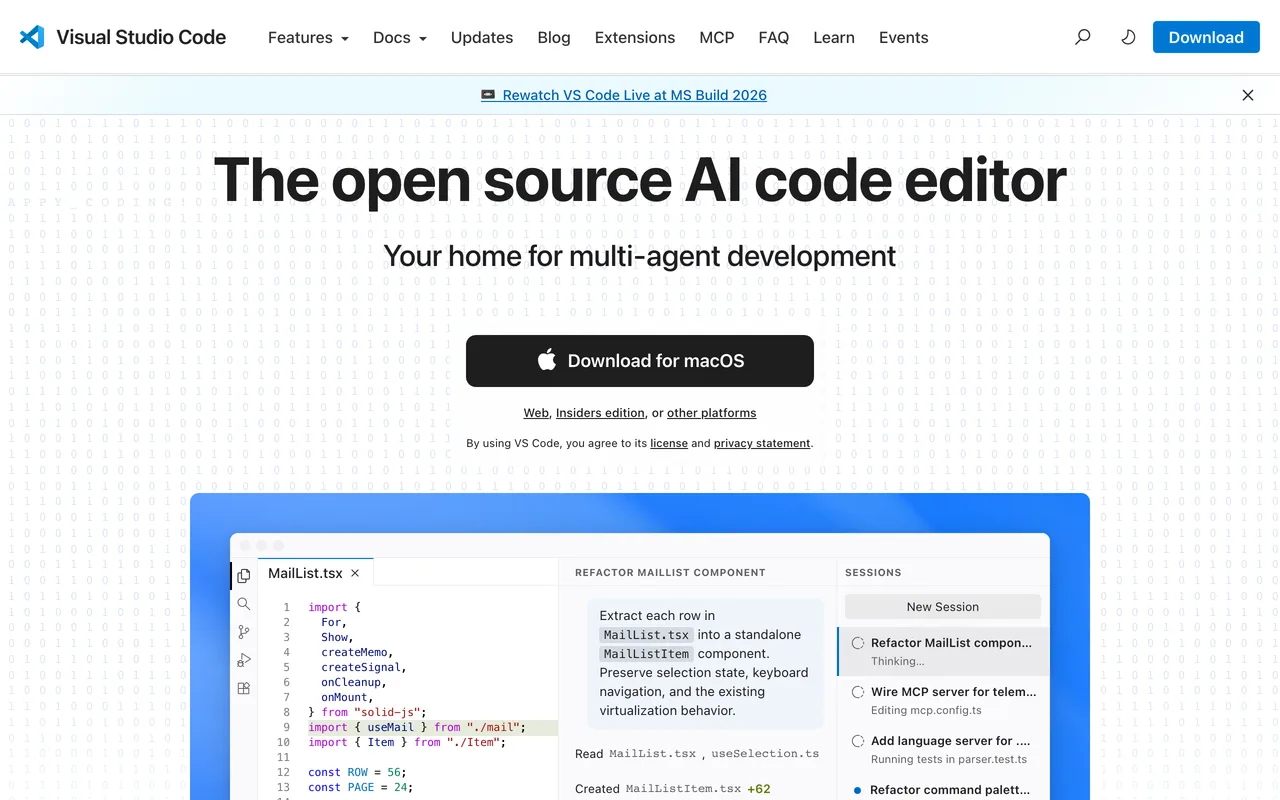
If you want a safe place to start, start with VS Code. The free, extensible code editor that runs everywhere. The result is a tool you can open without thinking. That's about the highest compliment you can pay software like this.
It plays nicely with the rest of a modern linux app tools stack, so you won't have to tear out what already works. No tool is flawless, but the trade-offs here feel reasonable for what you get.
Best for: solo creators and small teams who value speed over endless configuration.
Visit VS Code2
 DaVinci Resolve
DaVinci Resolve has quietly become a favorite among linux app tools users. Pro editing, color, VFX and audio in one free app. Everything sits roughly where you'd expect, which makes the first session feel familiar instead of frustrating.
It earns its place by being genuinely useful day to day, not just impressive in a quick demo. Like any tool, it rewards a little time spent learning it, after which it mostly gets out of your way.
Best for: people building a lean, modern linux app tools setup from scratch.
Visit DaVinci Resolve3
 Blender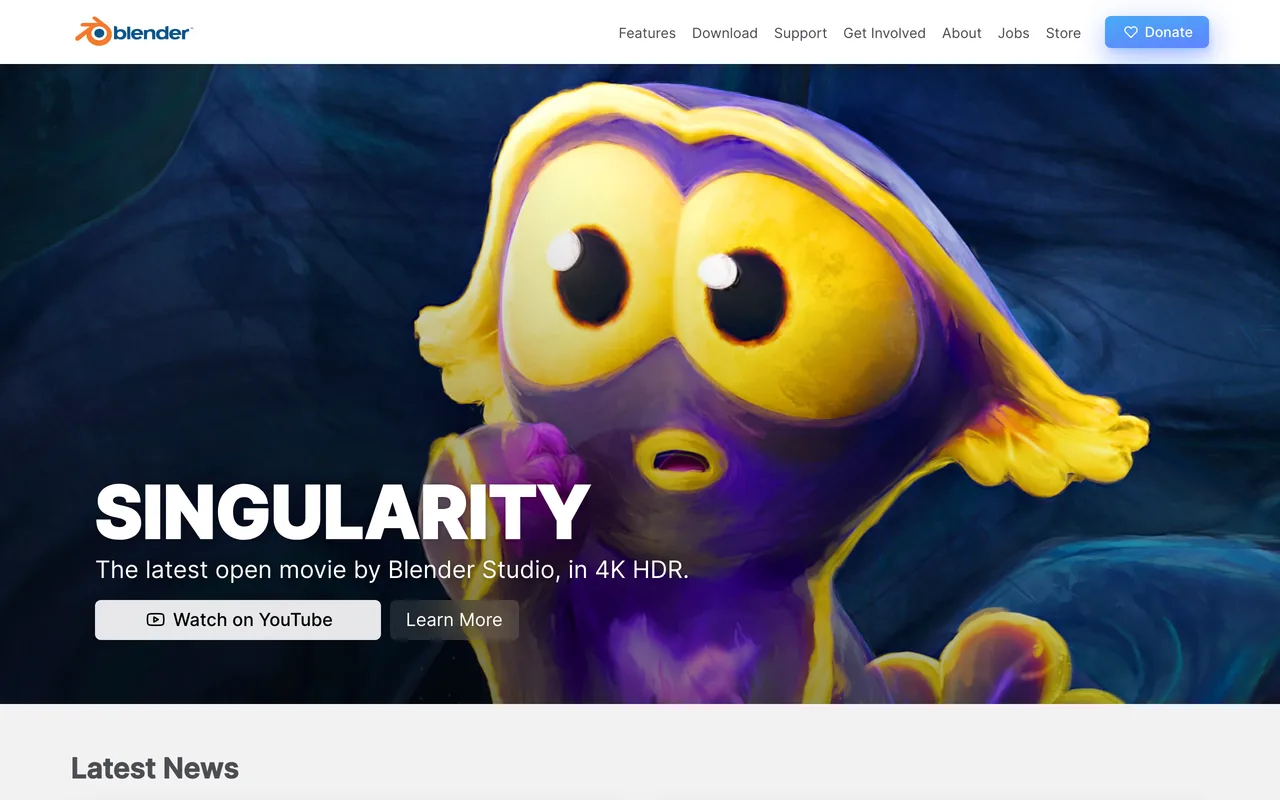
Don't overlook Blender. The free and open-source 3D creation suite for everything. It covers the fundamentals properly before reaching for anything flashy, and that focus pays off daily.
Its biggest strength is focus, it solves its core problem better than most of the alternatives. Give it a real project rather than a five-minute test, that's when its strengths actually show.
Best for: anyone who'd rather get started than wade through documentation.
Visit Blender4
 OBS Studio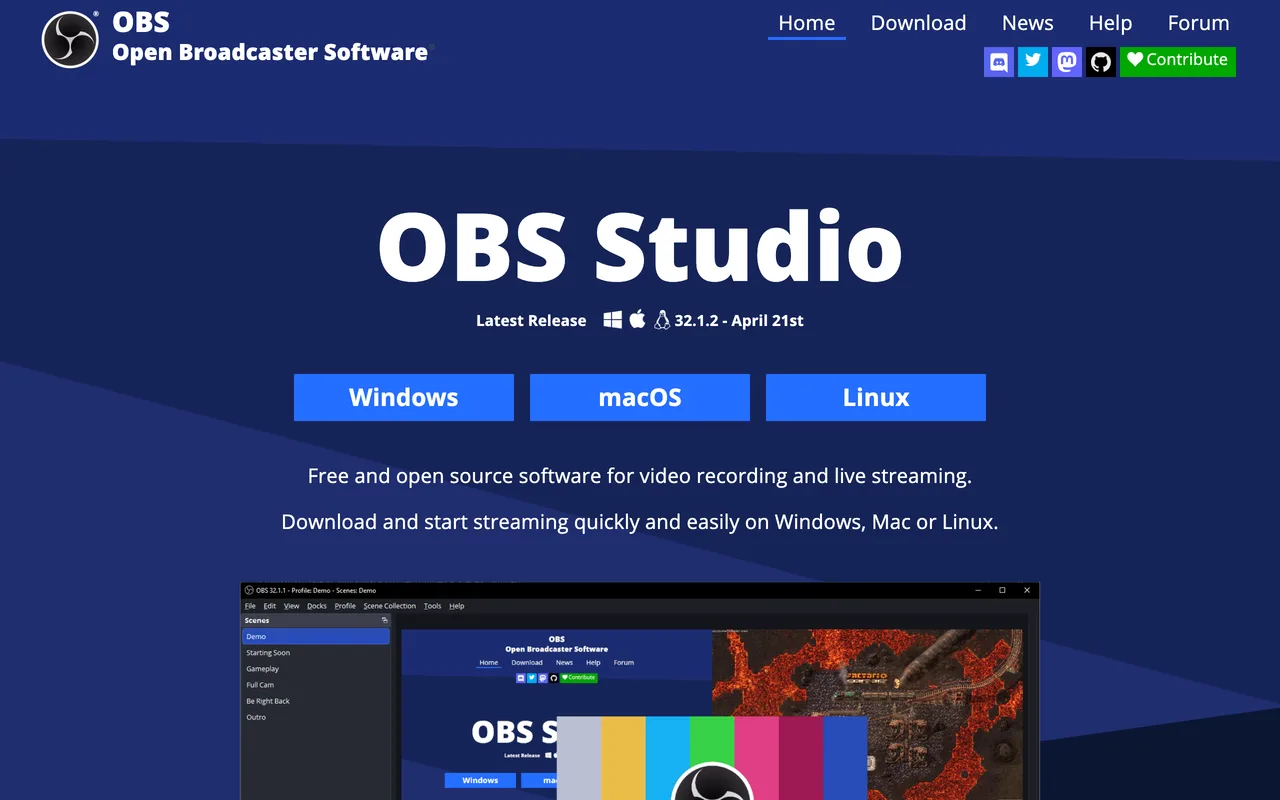
Next up is OBS Studio. Free, open-source software for recording and live streaming. Everything sits roughly where you'd expect, which makes the first session feel familiar instead of frustrating.
It earns its place by being genuinely useful day to day, not just impressive in a quick demo. Like any tool, it rewards a little time spent learning it, after which it mostly gets out of your way.
Best for: anyone who wants a dependable default they won't have to second-guess.
Visit OBS Studio5
 Shotcut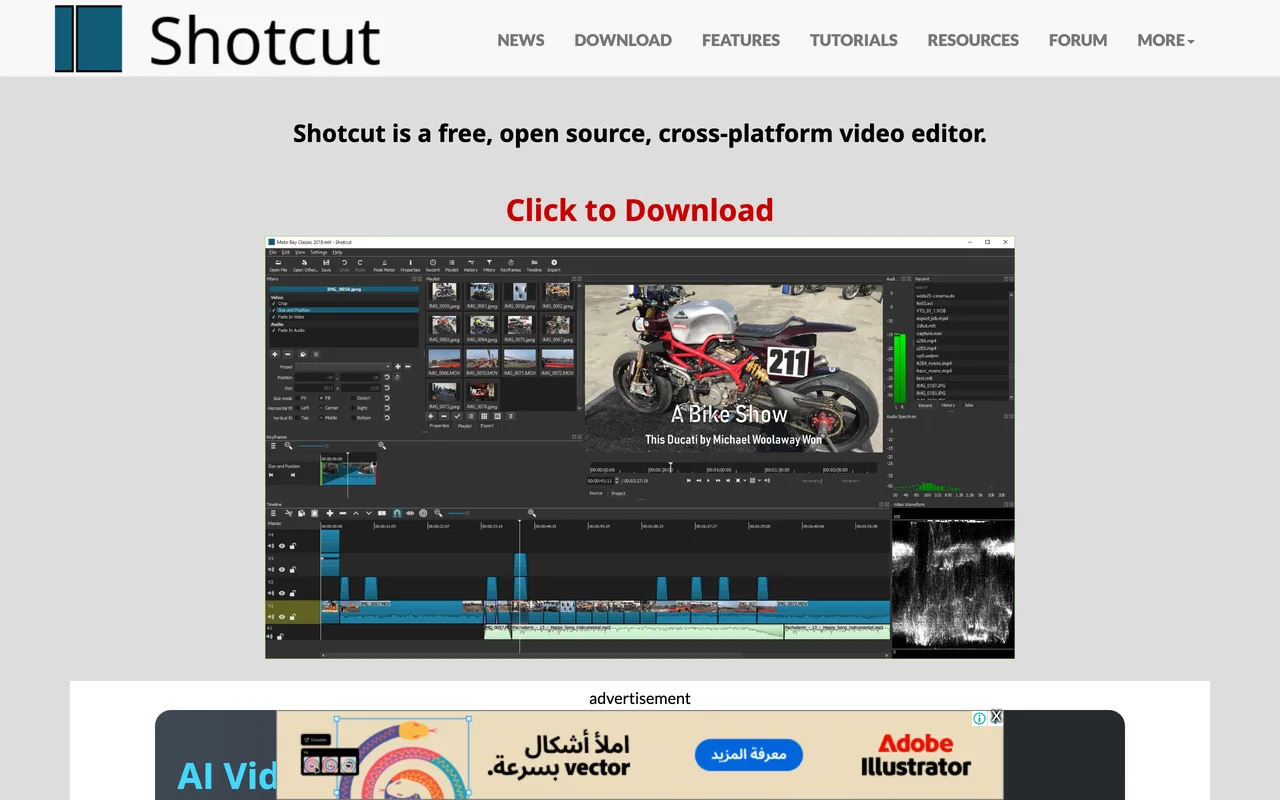
Shotcut has quietly become a favorite among linux app tools users. A free, open-source, cross-platform video editor. It covers the fundamentals properly before reaching for anything flashy, and that focus pays off daily.
Where it really shines is reliability: it does what it promises, release after release. No tool is flawless, but the trade-offs here feel reasonable for what you get.
Best for: anyone who wants a dependable default they won't have to second-guess.
Visit Shotcut6
 Kdenlive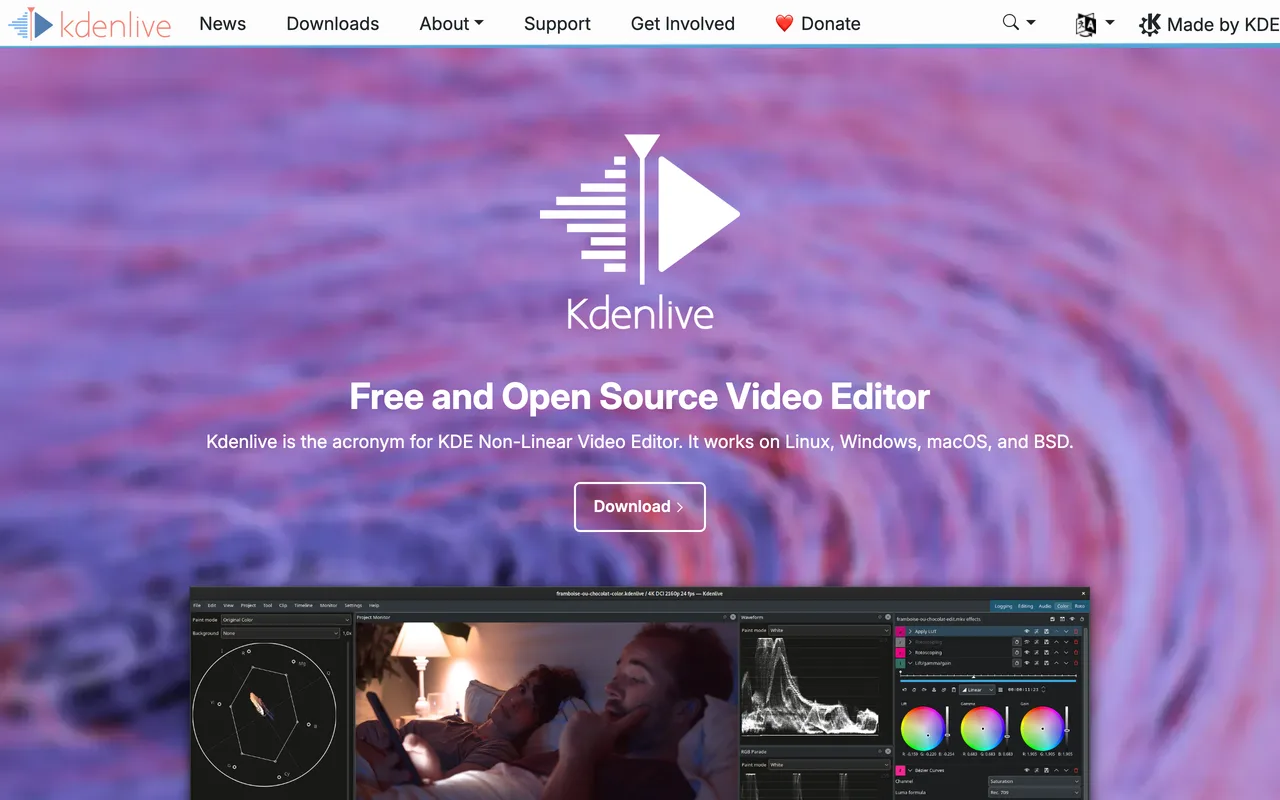
Don't overlook Kdenlive. A powerful, free and open-source video editor. It keeps the interface clean and the core workflow front and center, so you're productive almost right away.
It earns its place by being genuinely useful day to day, not just impressive in a quick demo. Like any tool, it rewards a little time spent learning it, after which it mostly gets out of your way.
Best for: solo creators and small teams who value speed over endless configuration.
Visit Kdenlive7
 Ulauncher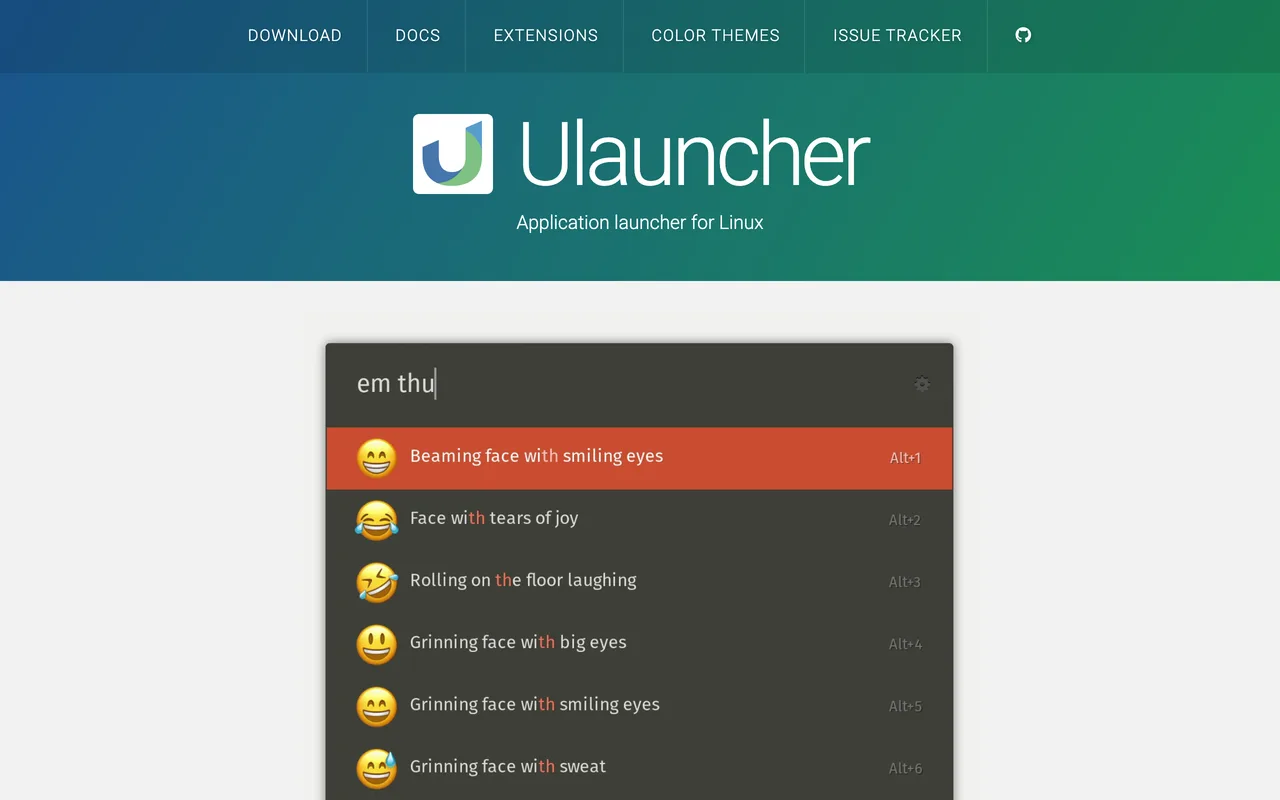
Ulauncher is another one worth your time. A fast, extensible application launcher for Linux. It covers the fundamentals properly before reaching for anything flashy, and that focus pays off daily.
It earns its place by being genuinely useful day to day, not just impressive in a quick demo. Like any tool, it rewards a little time spent learning it, after which it mostly gets out of your way.
Best for: people building a lean, modern linux app tools setup from scratch.
Visit Ulauncher8
 Ubuntu
Ubuntu has quietly become a favorite among linux app tools users. The world's most popular Linux distribution, for desktop and server. It keeps the interface clean and the core workflow front and center, so you're productive almost right away.
The team behind it ships steadily, so it keeps getting better rather than standing still. Give it a real project rather than a five-minute test, that's when its strengths actually show.
Best for: both beginners finding their feet and pros tightening an existing workflow.
Visit Ubuntu9
 Fedora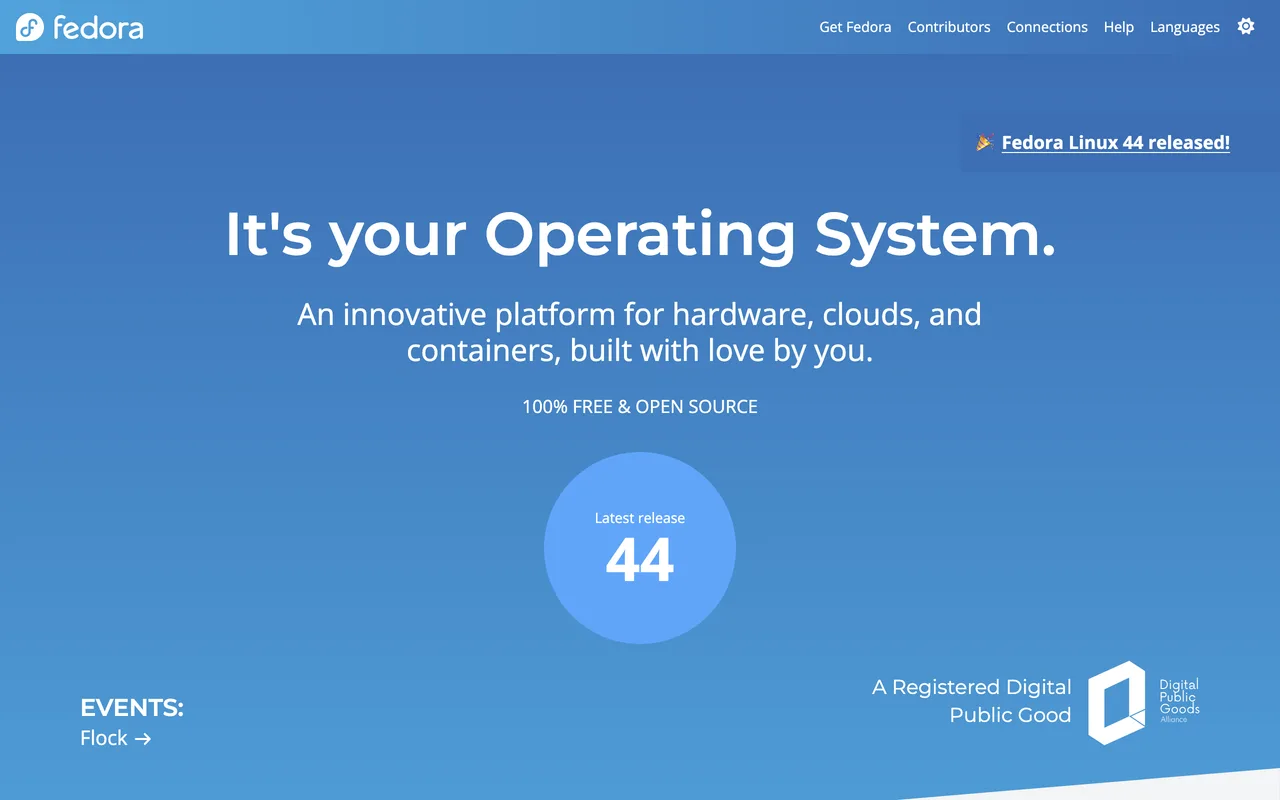
Next up is Fedora. A leading-edge, community-built Linux distribution. It covers the fundamentals properly before reaching for anything flashy, and that focus pays off daily.
What pushes it up our list is how thoughtfully it's built, the small details add up fast. It won't be the perfect fit for everyone, but if its approach clicks with you, it's hard to give up.
Best for: creators who care more about results than feature checklists.
Visit Fedora10
 Pop!_OS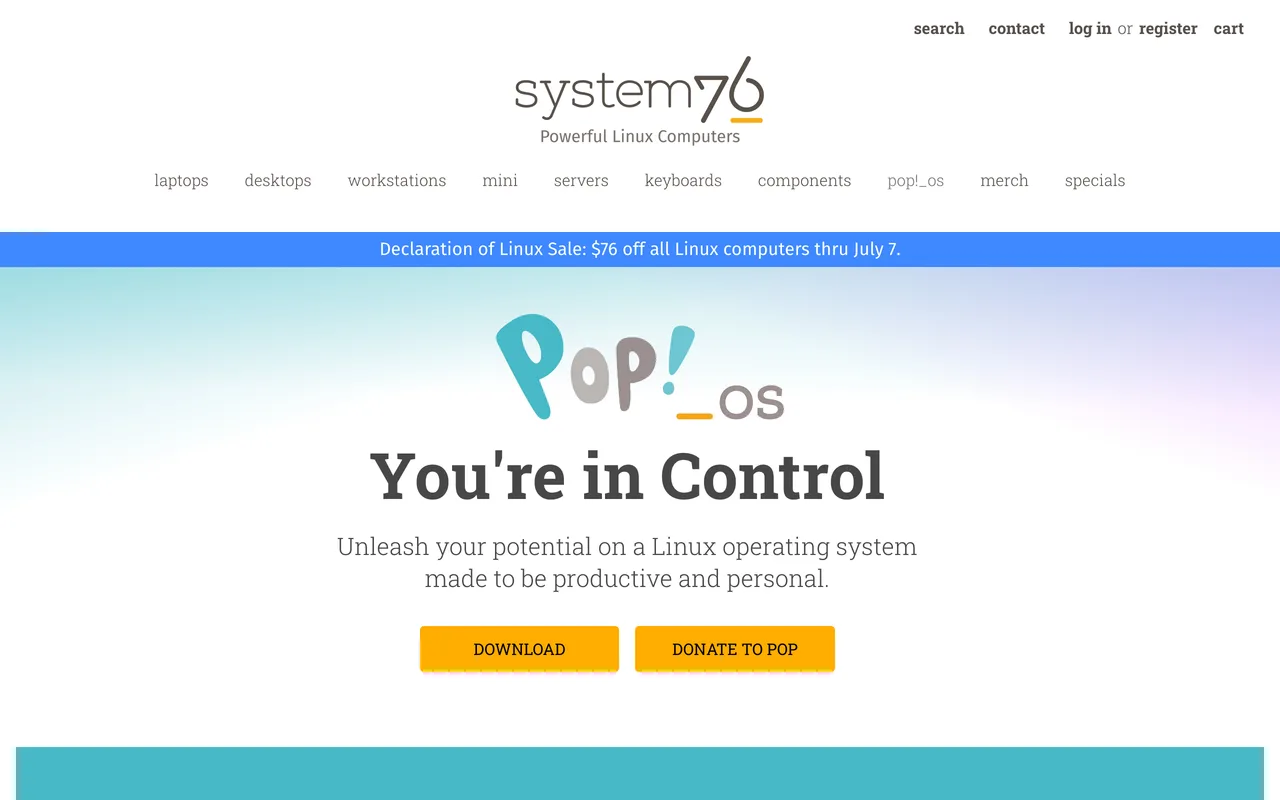
Don't overlook Pop!_OS. A developer- and creator-friendly Linux OS by System76. The result is a tool you can open without thinking. That's about the highest compliment you can pay software like this.
Its biggest strength is focus, it solves its core problem better than most of the alternatives. Give it a real project rather than a five-minute test, that's when its strengths actually show.
Best for: both beginners finding their feet and pros tightening an existing workflow.
Visit Pop!_OS11
 GNOME
GNOME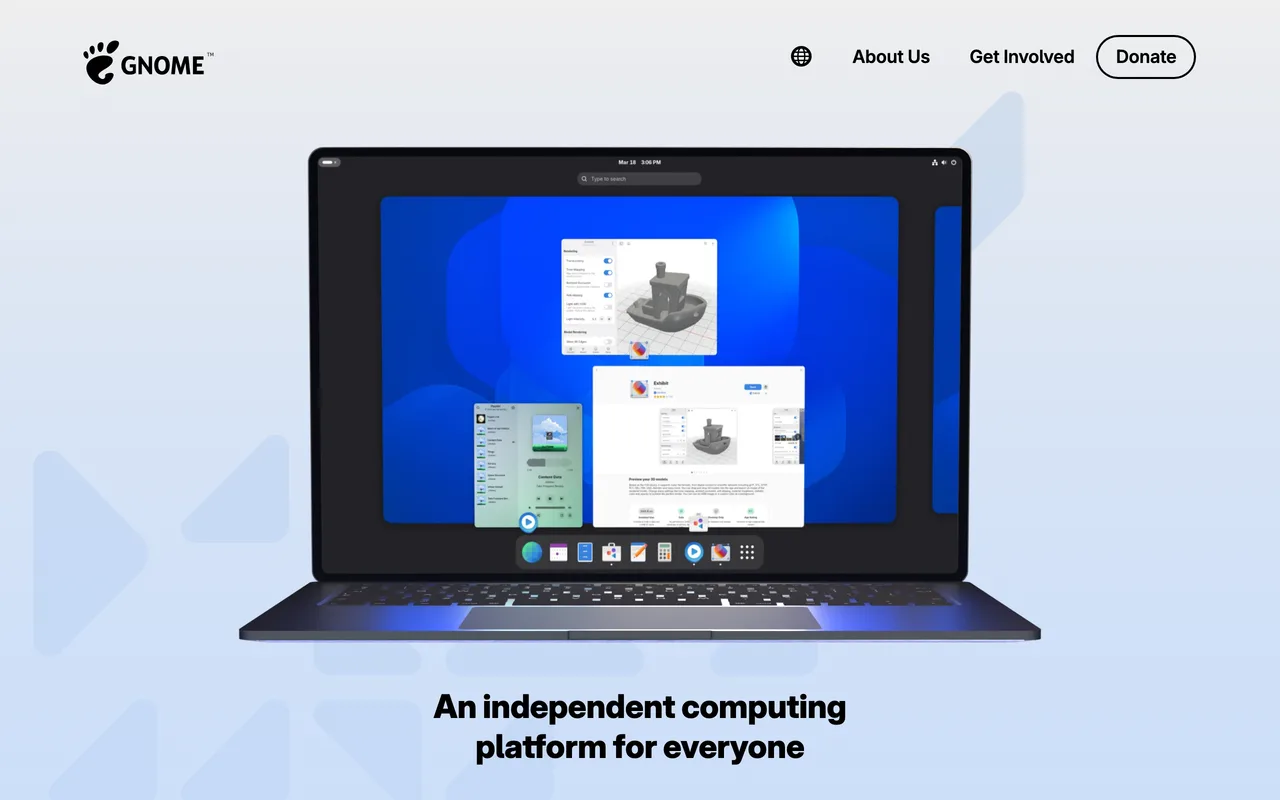
That brings us to GNOME. A free, modern and easy-to-use desktop environment for Linux. It keeps the interface clean and the core workflow front and center, so you're productive almost right away.
Its biggest strength is focus, it solves its core problem better than most of the alternatives. Give it a real project rather than a five-minute test, that's when its strengths actually show.
Best for: creators who care more about results than feature checklists.
Visit GNOME12
 KDE Plasma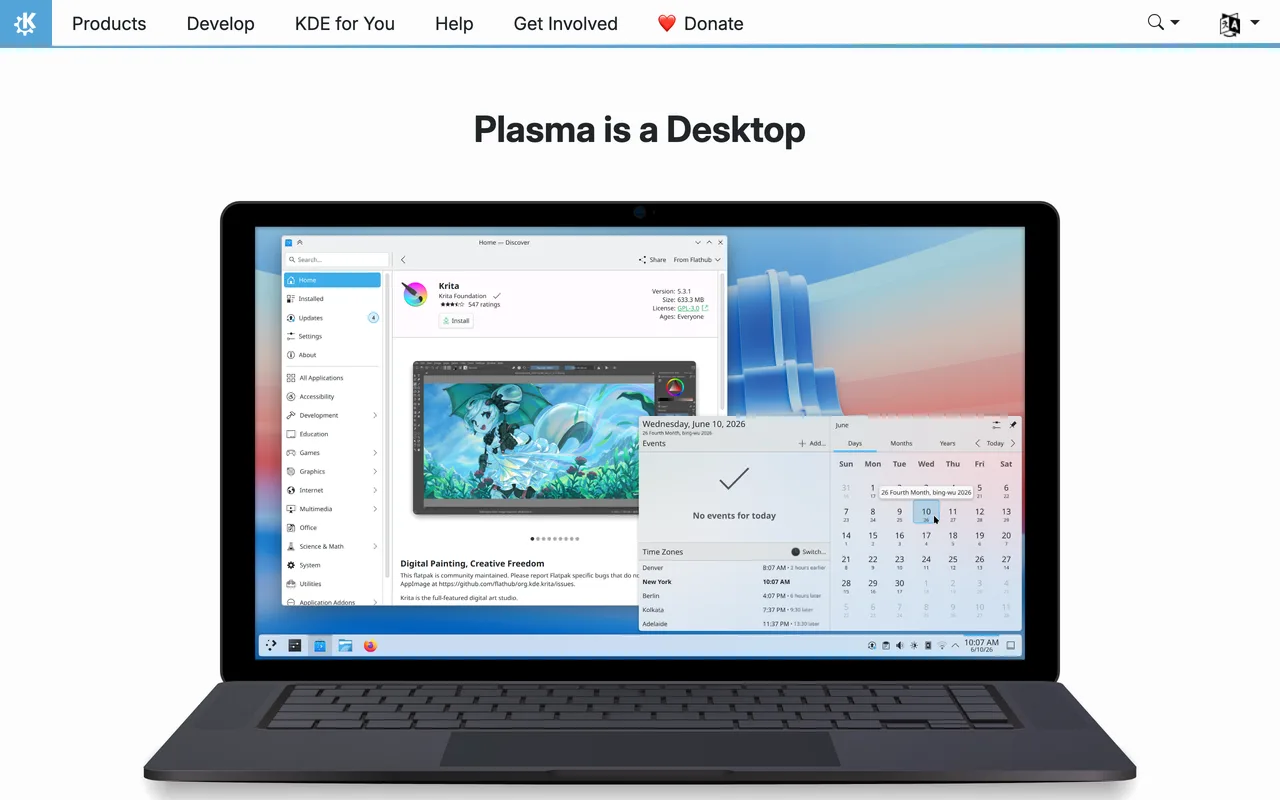
That brings us to KDE Plasma. A powerful, endlessly customizable Linux desktop environment. Everything sits roughly where you'd expect, which makes the first session feel familiar instead of frustrating.
Where it really shines is reliability: it does what it promises, release after release. No tool is flawless, but the trade-offs here feel reasonable for what you get.
Best for: solo creators and small teams who value speed over endless configuration.
Visit KDE Plasma
How they compare
| # | Tool | Best for |
|---|---|---|
| 1 | VS Code | solo creators and small teams who value speed over endless configuration |
| 2 | DaVinci Resolve | people building a lean, modern linux app tools setup from scratch |
| 3 | Blender | anyone who'd rather get started than wade through documentation |
| 4 | OBS Studio | anyone who wants a dependable default they won't have to second-guess |
| 5 | Shotcut | anyone who wants a dependable default they won't have to second-guess |
| 6 | Kdenlive | solo creators and small teams who value speed over endless configuration |
| 7 | Ulauncher | people building a lean, modern linux app tools setup from scratch |
| 8 | Ubuntu | both beginners finding their feet and pros tightening an existing workflow |
| 9 | Fedora | creators who care more about results than feature checklists |
| 10 | Pop!_OS | both beginners finding their feet and pros tightening an existing workflow |
| 11 | GNOME | creators who care more about results than feature checklists |
| 12 | KDE Plasma | solo creators and small teams who value speed over endless configuration |
How to choose
It fits how you already work
The best linux app tools slot into your existing routine instead of forcing a new one. Look for sensible defaults, integrations with the apps you already use, and a workflow that feels obvious within the first few minutes.
Honest, predictable pricing
Free trials are nice, but check what happens after. A clear free tier or a fair flat price beats a cheap plan that locks the features you actually need behind a much higher one. Always click through to confirm current pricing, plans change often.
It's actively maintained
A tool is only as good as the team behind it. Recent updates, a responsive changelog, and an active community are strong signals that a tool will still be around, and still improving, a year from now.
It does one thing really well
Be wary of tools that try to do everything. The picks that last tend to be focused: they solve a specific problem better than anything else, and they play nicely with the rest of your stack.
How we picked
Every tool in this guide is part of the curated DesignBookmark directory, where we track hundreds of linux app tools and keep only the ones genuinely worth recommending. We prioritize tools that are useful day to day, actively maintained, and trusted by the design and developer community, not just whatever launched most recently. Rankings favor the strongest all-rounders first, and we refresh this guide as new tools appear and others change.
Frequently asked questions
What is the best Flathub alternative?+
For most people, VS Code is the best all-round Flathub alternative, it's the first pick above. DaVinci Resolve is also excellent and may suit you better depending on your needs. The right choice comes down to why you're leaving Flathub in the first place.
Is there a free Flathub alternative?+
Yes, several alternatives on this list offer a free plan or free tier, including tools like VS Code, DaVinci Resolve, Blender. Free plans usually cover solo use or smaller projects. Click through to each to check current pricing, since plans change often.
Is VS Code better than Flathub?+
It depends on what you need. VS Code is a popular switch from Flathub and stands out on its own merits, but Flathub still has real strengths. The best way to decide is to try VS Code on a real project and see if it fits how you work.
Why do people switch from Flathub?+
Usually for one of three reasons: pricing, a missing feature, or a workflow that suits them better. The alternatives above each address at least one of those, so start with whichever matches your reason for looking.
How was this list of Flathub alternatives chosen?+
Every alternative here is part of the curated DesignBookmark directory, drawn from the same category as Flathub and ranked with the strongest all-rounders first. We favor tools that are useful day to day and actively maintained, and we refresh the list as the space changes.
The bottom line
The bottom line: VS Code is the Flathub alternative we'd try first, it's the most well-rounded option here. But the best alternative is the one that fixes whatever made you look beyond Flathub. Skim the 12 picks above, try one or two, and switch with confidence.